Rotator Cuff Tendinopathy: Shoulder Pain Explained
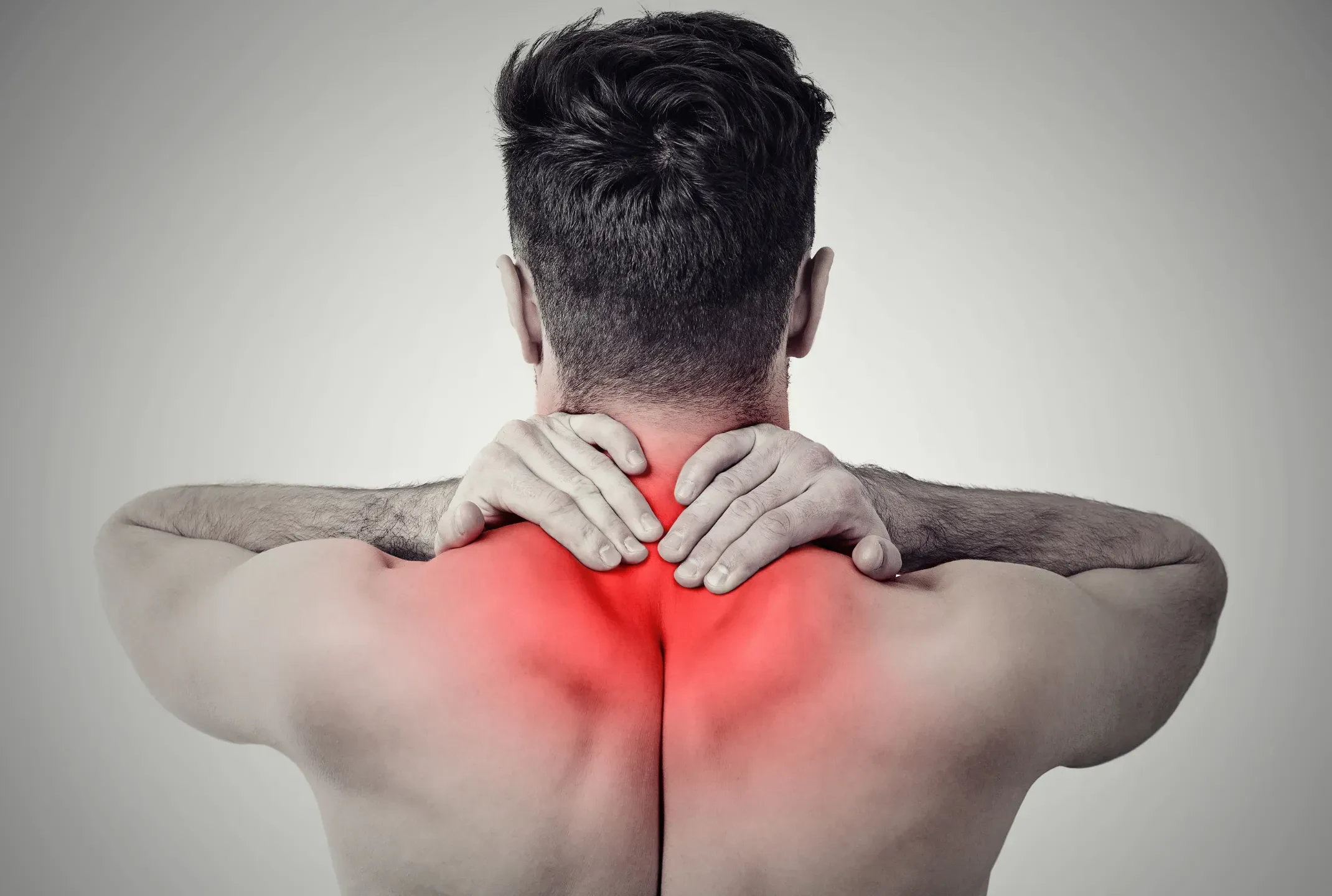
If you've ever winced reaching into the back seat of the car, struggled to lie on your sore shoulder at night, or felt a nagging ache after a session in the gym, there's a good chance your rotator cuff is involved. Rotator cuff tendinopathy is one of the most common shoulder problems we treat at Physio Tullamore — and one of the most misunderstood.
The good news? Most cases respond very well to physiotherapy without injections or surgery. In this guide, we'll explain what the rotator cuff does, why tendons become painful, what you can do about it, and what a proper rehab programme looks like.
What Is the Rotator Cuff?
The rotator cuff is a group of four muscles — supraspinatus, infraspinatus, teres minor and subscapularis — whose tendons wrap around the shoulder joint. Together they stabilise the ball of the shoulder in its socket and allow you to rotate and lift your arm through its full range.
Because the shoulder is the most mobile joint in the body, these tendons work hard in almost every upper-limb movement. When they're loaded more than they're used to — or loaded too quickly — they can become irritated and painful.
What Causes Rotator Cuff Tendinopathy?
Tendinopathy is a load problem, not simply an "inflammation" or "wear and tear" problem. It typically develops when the tendon's capacity is exceeded by what's being asked of it. Common triggers we see at our Tullamore clinic include:
- A sudden increase in activity — starting a new gym programme, returning to swimming, or a busy stretch of DIY or gardening after a quiet period
- Repetitive overhead work — painters, electricians, plasterers and hairdressers are classic examples
- Desk-based posture and prolonged sitting — the shoulder and upper back adapt to rounded positions, reducing the tendon's tolerance
- Age-related tendon changes — tendons lose some strength and stiffness tolerance through our 40s and beyond, making load management even more important
- Poor technique or equipment — grip size, racquet sports, throwing technique, or pressing movements in the gym
What Does It Feel Like?
Rotator cuff tendinopathy has a fairly recognisable pattern. You may notice:
- Pain around the outside of the shoulder, sometimes spreading down the upper arm
- A painful arc — discomfort when lifting your arm out to the side between roughly 60° and 120°, which eases above shoulder height
- Pain lying on the affected shoulder, especially at night
- Difficulty with specific movements — reaching behind your back, fastening a bra, or lifting overhead
- Weakness or a feeling of the shoulder "not being reliable", usually without true instability
Symptoms often build gradually rather than following a single injury, and they typically worsen with loading and settle briefly with rest — only to return when you resume activity.
How Is It Assessed?
At your first appointment, your physiotherapist will take a detailed history of your symptoms and training or work demands, then assess:
- Movement quality and range — how your shoulder, shoulder blade and neck move together
- Strength testing — specific resisted tests of the rotator cuff muscles
- Palpation and special tests — to rule out other causes such as a rotator cuff tear, frozen shoulder or referred neck pain
Imaging is not always necessary. Scans frequently show age-related tendon changes in people with no pain at all, so we base treatment on your examination findings and goals — referring for imaging only when it would genuinely change management.
How Is It Treated?
Rest alone rarely resolves tendinopathy — the tendon needs the right kind of loading to rebuild its capacity. Our treatment approach is individualised, but typically includes:
1. Symptom Management
In the early irritable stage, we settle symptoms with activity modification, manual therapy, and advice on which movements and positions to temporarily dial up or down. Ice and anti-inflammatories can help short-term, but they're not the long-term answer.
2. Progressive Loading
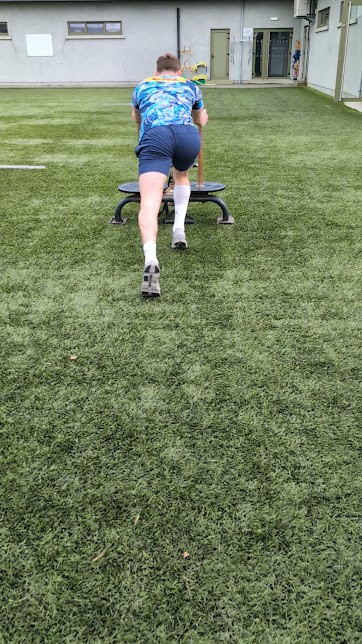
This is the core of treatment. We build a staged programme starting with isometric holds (which often reduce pain quickly), progressing through controlled range work to heavier, faster strength training. The tendon adapts to load over weeks and months — consistency matters more than intensity.
3. Scapular and Thoracic Control
The shoulder blade and upper back provide the platform the rotator cuff works from. Improving control and mobility here often changes how the tendon is loaded in everyday tasks and sport.
4. Return to Your Activity
We don't stop at "pain-free in the clinic". Whether your goal is swimming, gym, GAA or simply sleeping on that side again, we progressively reintroduce your specific activities with clear criteria for progressing volume and intensity.
For stubborn cases where pain has persisted for months, adjuncts such as shockwave therapy can be a useful addition to a loading programme — we'll always discuss whether it's appropriate for your situation.
How Long Does Recovery Take?
Most people notice meaningful improvement within 6–8 weeks of consistent rehabilitation, with full resolution typically taking 3–6 months depending on how long the symptoms have been present and the demands of your sport or work. Tendons remodel slowly — a "no pain today" approach of sporadic exercises rarely works, whereas a well-paced, progressive plan does.
When Should You Book an Appointment?
The earlier a shoulder problem is assessed, the faster and more predictable the recovery. Book in with us if:
- Pain has persisted beyond 2–3 weeks despite relative rest
- You're avoiding activities you enjoy because of your shoulder
- Night pain is disturbing your sleep
- You feel weakness or the shoulder isn't trustworthy under load
Ready to get your shoulder moving again? Book an appointment with our experienced team at Physio Tullamore, or call the clinic to speak with us today.