At Physio Tullamore, we provide gait analysis, biomechanical assessment and custom foot
orthotic prescription for people experiencing persistent foot, ankle, lower-limb or running-related symptoms.
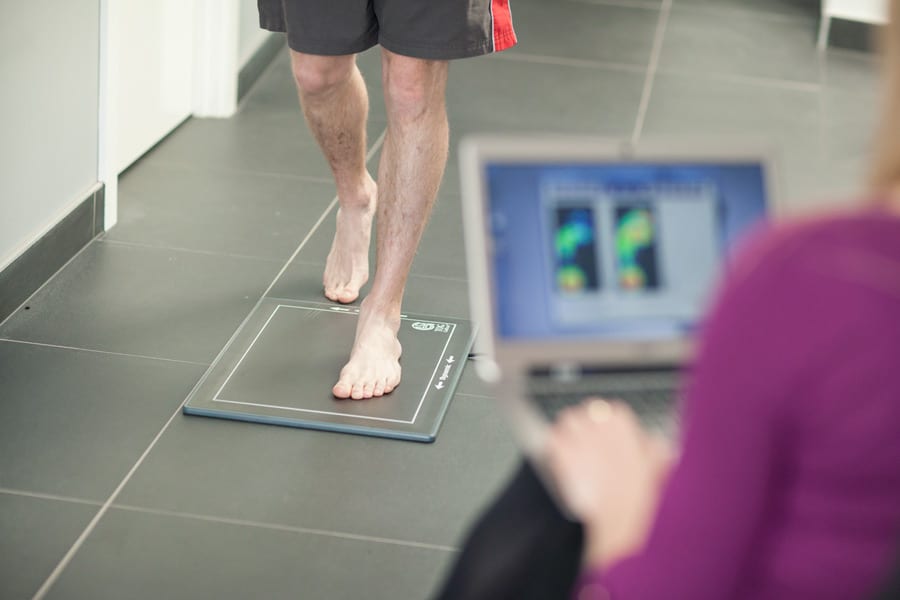
Our clinic in Tullamore, Co. Offaly combines clinical assessment with dynamic pressure analysis using the GaitScan system to help understand how the foot interacts with the ground during standing and walking.
Orthotics are not prescribed simply because a scan shows that your foot moves in a particular way.
Instead, we consider the complete clinical picture, including:
your symptoms
activity levels
footwear
strength
joint mobility
training load
previous injuries
walking or running demands
findings from gait and pressure assessment
Where appropriate, custom orthotics may then be prescribed as one component of a wider treatment or
rehabilitation plan.
At Physio Tullamore, we use GaitScan as one component of our biomechanical assessment.
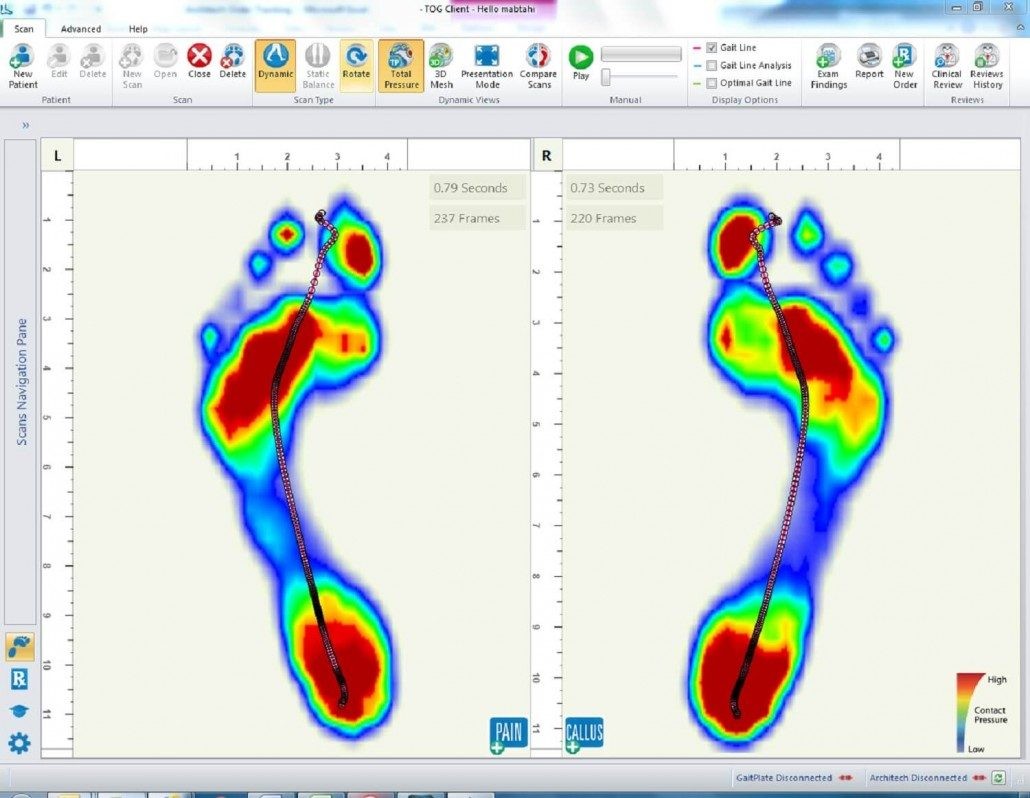
The system uses a pressure-sensitive platform to measure how forces are distributed underneath the feet while you stand and walk across the plate.
This produces a detailed visual representation of:
where pressure is being applied
how pressure moves from the heel towards the forefoot
differences between the left and right foot
areas of relatively high or low loading
timing during the stance phase of walking
The scan provides additional objective information that can complement the clinical examination.
It should not be interpreted in isolation.
A pressure pattern that looks unusual does not necessarily mean that it requires treatment.
Our physiotherapists interpret the findings in the context of your symptoms, physical examination and functional demands.
We first discuss your symptoms and establish:
where you experience pain
how long the problem has been present
what activities aggravate it
your occupation
your exercise or sporting activity
previous injuries
footwear
previous orthotics where relevant
Your physiotherapist may assess:
foot posture
ankle range of motion
calf flexibility
big-toe movement
lower-limb strength
hip and knee control
balance
joint mobility
areas of tenderness
functional movement
The assessment is tailored to the problem rather than following the same test battery for everybody.
You will normally complete a number of walking passes across the pressure plate.
The system records the way pressure is distributed beneath your feet during the stance phase.
Your physiotherapist will review these findings with you.
Shoes can influence symptoms considerably.
Where appropriate, we may review:
work footwear
everyday footwear
running shoes
sports boots
footwear width
heel height
cushioning
shoe wear patterns
Following assessment, your physiotherapist will explain whether your symptoms are likely to benefit from:
rehabilitation
footwear modification
activity modification
custom orthotics
strengthening
mobility work
running rehabilitation
other physiotherapy treatment
Not everyone who completes a GaitScan requires an orthotic.
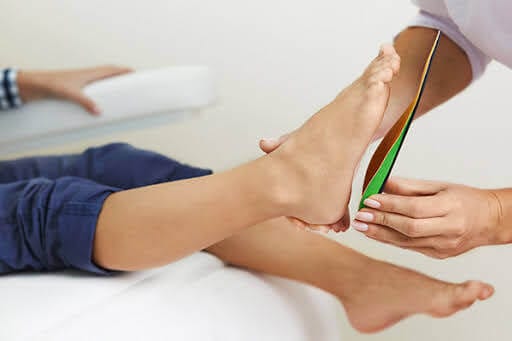
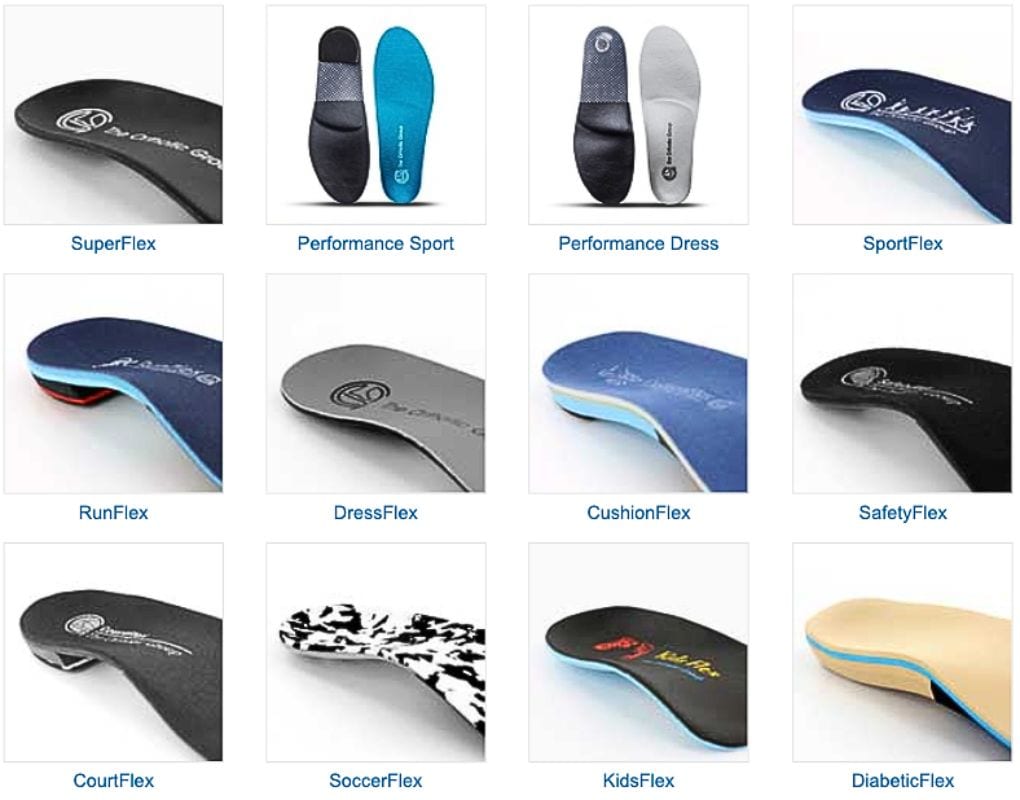
Custom orthotics are individually prescribed shoe inserts designed to modify the interaction between the foot, footwear and ground.
They are manufactured according to the findings from your clinical and biomechanical assessment.
Orthotics should not be thought of as devices that permanently “correct” the foot or force everybody into one ideal alignment.
Their purpose is generally to alter load, pressure or movement in a way that improves comfort or function.
Depending on the individual, an orthotic may be designed to:
The design should be based on the patient's symptoms and goals rather than simply the appearance of the foot.
Orthotics may be considered for selected foot and lower-limb problems. They are not required for every patient with one of these diagnoses.
Plantar heel pain commonly causes discomfort beneath the heel, particularly during:
the first steps in the morning
prolonged standing
walking
running
increased physical activity
Orthotics may help some patients by changing load through the heel and plantar tissues.
They are usually most useful when combined with other management strategies such as:
calf strengthening
foot strengthening
progressive loading
activity modification
footwear advice
For persistent cases, Shockwave Therapy may also be considered following assessment.
Achilles tendinopathy can produce pain and stiffness around the Achilles tendon, especially during walking, running and jumping.
Footwear and foot mechanics can influence the load experienced by the Achilles tendon.
In selected cases, orthotics or temporary heel modifications may be used to help manage symptoms while rehabilitation progresses.
However, progressive calf and tendon strengthening remains a major part of treatment.
Pain beneath the forefoot can be associated with increased pressure around the metatarsal region.
Depending on the cause, orthotic modifications may help redistribute pressure away from a sensitive area.
This may be relevant in presentations involving:
metatarsalgia
painful callus formation
selected forefoot overload problems
Clinical assessment is required because different causes of forefoot pain require different treatment.
Morton's neuroma commonly causes:
burning pain
forefoot discomfort
tingling
numbness into the toes
the sensation of walking on a pebble
Symptoms are often aggravated by tighter footwear.
Footwear modification and orthotic devices designed to alter forefoot loading may help selected patients.
For persistent cases, other management options can also be discussed.
Previous ankle injury can sometimes result in:
recurrent sprains
reduced confidence
altered loading
stiffness
persistent discomfort
Orthotics may occasionally be useful where foot mechanics or pressure distribution are considered clinically relevant.
However, ankle rehabilitation will often also involve:
strength
balance
proprioception
ankle mobility
progressive return to running or sport
Foot orthoses may sometimes influence symptoms further up the kinetic chain.
One example is patellofemoral pain, where selected patients may experience short-term benefit from foot orthoses as part of a wider rehabilitation programme.
The main treatment will usually still involve progressive lower-limb strengthening and load management.
For runners, our assessment may consider whether:
footwear
training load
cadence
lower-limb strength
foot pressure
ankle mobility
running mechanics
are contributing to symptoms.
Orthotics may occasionally be one useful part of management.
They should not automatically be prescribed to every runner with pain.
Where appropriate, gait assessment can be integrated with Running Injury Rehabilitation and progressive return-to-running planning.
This is an important question.
Orthotics are sometimes marketed as devices that “correct misalignment” throughout the entire body.
That description is too simplistic.
The human body naturally demonstrates considerable variation in foot posture, walking style and lower-limb alignment.
Many people with flatter feet, higher arches or asymmetry have no pain at all.
Orthotics are therefore not prescribed simply to make the foot appear more anatomically “normal”.
Instead, the goal is usually to modify load or movement enough to improve symptoms or function.
For some people this can be very helpful.
For others, rehabilitation, footwear changes or training modification may be more appropriate.
efore treatment.
One of the most important principles at Physio Tullamore is that orthotics should not replace rehabilitation when a physical capacity problem also exists.
For example, foot or lower-limb symptoms may also be influenced by:
Where these factors are relevant, your management plan may include:
Orthotics may help reduce symptoms or modify loading while these physical qualities are being rebuilt.b
Not everybody requires a custom-made device.
Some patients respond well to:
footwear changes
temporary heel lifts
simple insoles
prefabricated orthoses
rehabilitation alone
Custom orthotics may be considered when:
symptoms are persistent
a specific loading modification is required
simpler interventions have not been sufficient
there are particular footwear or activity demands
assessment suggests a customised prescription is appropriate
The decision should be based on clinical need rather than simply on completing a scan.
Once your custom orthotics are manufactured, they will normally require a gradual period of adaptation.
Initially, you may be advised to wear them for shorter periods and progressively increase use.
Your clinician will advise you regarding:
fitting
footwear compatibility
gradual wear time
exercise
return to running
follow-up
any adjustments that may be required
Orthotics should feel supportive and tolerable.
If a device causes persistent or increasing symptoms, it should be reviewed.
Patients attending with running or sporting problems may require more than a standard walking pressure assessment.
Depending on the presentation, your physiotherapist may also assess:
running mechanics
stride characteristics
ankle and knee movement
strength
jumping capacity
training load
previous injury
return-to-running readiness
Where appropriate, this can be integrated with our broader Sports Rehabilitation and Performance & Testing services.
This is particularly useful when the goal is not simply to reduce pain but to return safely to running, field sport or higher-level performance.
We do not prescribe orthotics based on a computer scan alone.
Your assessment considers symptoms, strength, mobility, footwear and activity demands.
Pressure analysis provides objective information about how load moves beneath the foot during walking.
Where custom orthotics are appropriate, the prescription is tailored to the individual rather than using a one-size-fits-all approach.
Where strength, mobility or load tolerance also contribute to symptoms, these are addressed through physiotherapy and rehabilitation.
For active patients and athletes, gait assessment can be integrated with running rehabilitation and performance testing.
Physio Tullamore provides gait analysis and orthotic assessment from our clinic in Tullamore, Co. Offaly, serving patients from Tullamore, County Offaly and the wider Midlands.
If persistent foot, heel, ankle, knee or running-related pain is affecting your activity, a gait and biomechanical assessment can help
determine the factors that may be contributing.
At Physio Tullamore, we combine clinical assessment, GaitScan pressure analysis and rehabilitation to determine whether
custom orthotics are genuinely appropriate for you.