Types of Spinal Decompression Surgery — and What They Mean for Your Rehab Timeline
Which operation you have shapes how quickly you're back on your feet. We break down the six main decompression procedures and how each one influences your rehabilitation — from the first days after theatre to your return to work, sport and full activity.
Book a Post-Operative AssessmentIf you or a loved one are facing spinal decompression surgery, one of the first questions is usually: "How long until I'm back on my feet?" The honest answer is that it depends heavily on which type of decompression procedure you have. A minimally invasive discectomy and a multi-level fusion are very different operations — and your rehabilitation timeline reflects that.
Written by the Physio Tullamore team — Spinal & Sports Physiotherapy Clinic, Co. Offaly.
Disclaimer: This article is for general information only and isn't a substitute for advice from your surgeon or physiotherapist. Always follow the specific instructions given by your surgical team.

What Is Spinal Decompression Surgery?
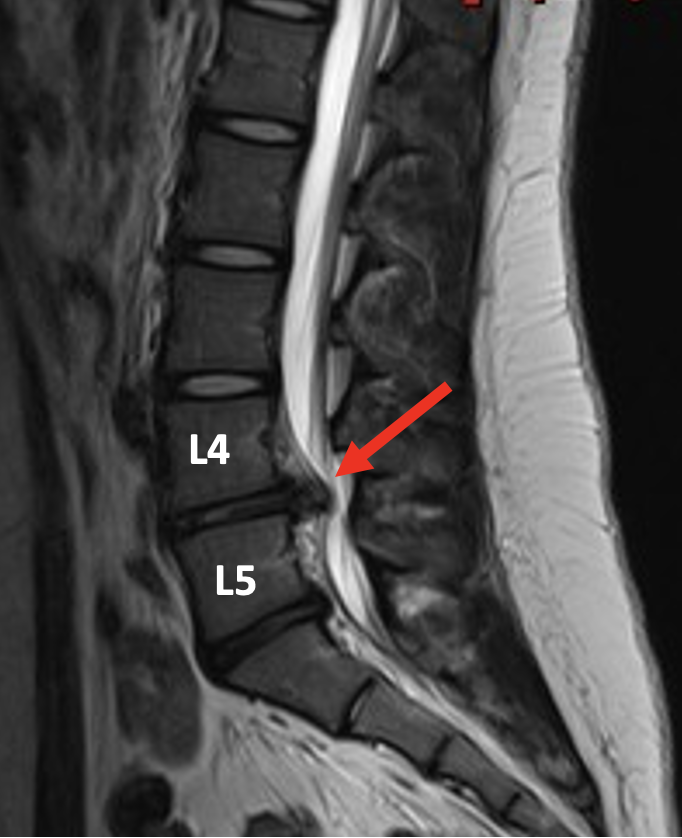
Spinal decompression surgery is an umbrella term for operations that relieve pressure on the spinal cord or nerve roots. That pressure is usually caused by a herniated disc, bone spurs (osteophytes), thickened ligaments, or narrowing of the spinal canal (spinal stenosis). By creating more space around the nerves, these procedures aim to reduce pain, numbness, tingling and weakness — often in the legs (sciatica) or arms (cervical radiculopathy).
Surgical decompression is typically considered when symptoms are severe or persistent despite several months of conservative care such as physiotherapy, medication and activity modification — or when there are "red flag" signs like progressive weakness or changes in bladder and bowel control.
The Main Types of Spinal Decompression Surgery
Not all decompression operations are the same. Some remove a small fragment of disc; others remove bone, widen the canal, or stabilise the spine with hardware. Here's what each involves.
1. Laminectomy
A laminectomy removes part or all of the lamina — the bony arch at the back of a vertebra — to enlarge the spinal canal. It's a common choice for lumbar spinal stenosis and is performed in both the lower (lumbar) and neck (cervical) regions. Multi-level laminectomies create more space but remove more bone, which can affect recovery time and, in some cases, lead the surgeon to add a fusion for stability.
2. Discectomy (Including Microdiscectomy)
A discectomy removes the portion of a herniated disc that is pressing on a nerve root. The modern microdiscectomy uses a small incision and a microscope, causing minimal disruption to muscle and bone. This is one of the most common — and quickest-recovering — decompression procedures, frequently performed for lumbar disc herniation with sciatica.
3. Laminoplasty
Laminoplasty is a cervical-specific technique. Rather than removing the lamina, the surgeon hinges it open like a door and props it in place, expanding the canal while preserving movement. It's often used for multi-level cervical stenosis or ossification of the posterior longitudinal ligament (OPLL). Because it is performed on the neck and often spans several levels, recovery places particular emphasis on posture, neck mobility and shoulder-blade strengthening.
4. Foraminotomy
Foraminotomy widens the foramen — the bony tunnel where a nerve root exits the spine. It's a targeted, often minimally invasive procedure for nerve compression at a single level. Because bone and muscle disruption is limited, patients typically mobilise quickly, though symptoms can take weeks to fully settle as the nerve recovers.
5. Spinal Fusion (With Decompression)
A fusion joins two or more vertebrae together, usually with rods, screws and bone graft, after decompressing the nerves. It's recommended when the spine is unstable, when there's a deformity such as spondylolisthesis or scoliosis, or when a large decompression risks destabilising the segment. Fusions involve the longest rehabilitation timelines — the bone needs months to consolidate, and activity restrictions are stricter.
6. Minimally Invasive & Endoscopic Decompression
Tubular and endoscopic techniques achieve the same decompression goals through incisions as small as 1–2 cm, sparing muscle and reducing blood loss. These approaches generally allow same-day or next-day discharge and the fastest return to walking and daily activities — but the underlying tissue still needs time to heal, so progression is still graded.
How Surgery Type Influences Your Rehabilitation Timeline
The bigger the tissue disruption and the more levels involved, the longer and more structured your rehab needs to be. The table below gives typical milestones — your surgeon's guidance always takes precedence.
| Procedure | Typical hospital stay | Return to light work / driving | Return to full activity / sport | Key rehab focus |
|---|---|---|---|---|
| Microdiscectomy | Same day – 1 night | 2–4 weeks | 6–12 weeks | Walking early, core activation, safe bending mechanics |
| Foraminotomy | Same day – 1 night | 2–4 weeks | 6–12 weeks | Graded nerve mobility, posture, strengthening |
| Minimally invasive / endoscopic decompression | Same day | 1–3 weeks | 6–12 weeks | Early mobilisation, progressive loading |
| Laminectomy (single level) | 1–3 nights | 4–6 weeks | 3–6 months | Wound care, hip/trunk control, endurance walking |
| Laminectomy (multi-level) | 2–4 nights | 6–8 weeks | 4–6 months | Stability work, graded strengthening, pacing |
| Laminoplasty (cervical) | 1–3 nights | 4–6 weeks | 3–6 months | Neck range of motion, scapular strength, posture |
| Spinal fusion with decompression | 2–5 nights | 6–12 weeks | 6–12 months | Bone-healing precautions, then progressive strength and return to loading |
Timelines are typical ranges for uncomplicated recoveries. Age, general health, smoking status, the number of levels treated and symptom severity before surgery all influence your individual timeline.
What Rehabilitation Actually Looks Like
Whatever the procedure, good rehabilitation follows the same broad phases — only the pace changes.
1
Early Recovery (Weeks 0–2)
- Wound care and monitoring for signs of infection
- Short, frequent walks — often the single most important early exercise
- Gentle positional relief and log-rolling technique for getting in and out of bed (especially post-fusion)
- Basic core "switching on" exercises as directed by your physiotherapist
2
Early Strengthening (Weeks 2–6)
- Progressive walking targets and, where appropriate, stationary cycling
- Core, glute and scapular strengthening
- Gradual return to light daily tasks and, for suitable jobs, light work
- For cervical procedures: guided neck range-of-motion work
3
Building Capacity (Weeks 6–12)
- Resistance training progressed under supervision
- Return to driving and office work for most non-fusion procedures
- Introduction of impact or loaded activity where your surgeon has cleared it
4
Return to Full Activity (3–12 months)
- Sport-specific retraining and graded return to running, gym work or manual labour
- For fusions: clearance typically follows imaging-confirmed bone healing, often around the 6-month mark or later
- Long-term strategies to protect the spine and reduce re-injury risk
Factors That Speed Up — or Slow Down — Recovery
Supports faster recovery
- Early, regular walking
- Not smoking
- Good nutrition and healthy weight
- Attending physiotherapy and doing home exercises
Can slow recovery
- Smoking (significantly slows bone and tissue healing)
- Diabetes and other chronic conditions
- Doing too much too soon — or staying completely inactive
- Pre-existing deconditioning and long-standing pain
Frequently Asked Questions
Recovering from Spinal Surgery? We Can Help.
At Physio Tullamore, we guide patients through every stage of post-operative rehabilitation — from those first tentative walks to a confident return to work and sport. We'll build a programme tailored to your specific procedure and your goals.
Book an Appointment